Author: admin

  • The $5,000 Voicemail: Why Contractors Lose Jobs While They Work

    The $5,000 Voicemail: Why Contractors Lose Jobs While They Work

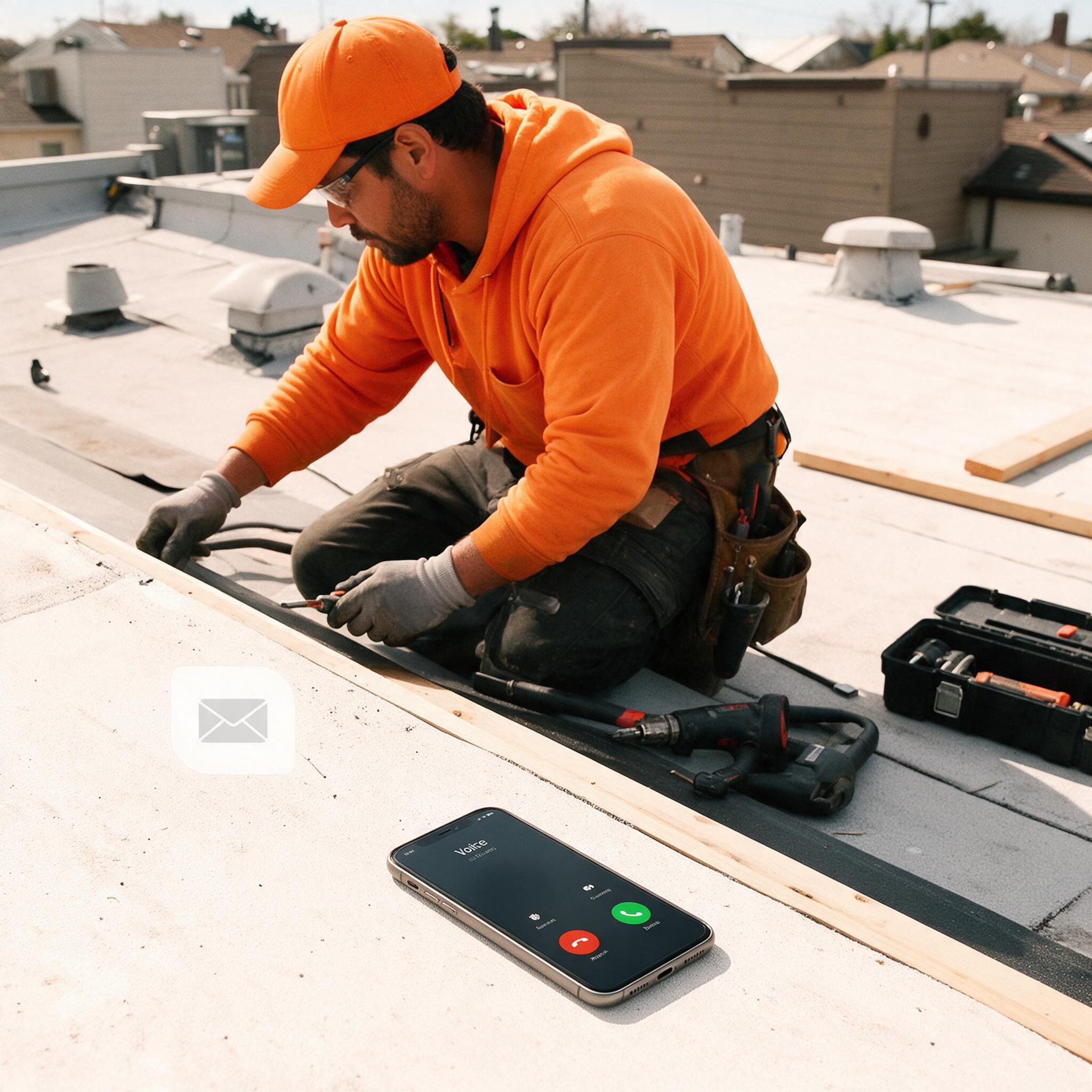
    You’re on a roof, knee-deep in shingles, and your phone buzzes. You can’t answer—tools in hand, ladder’s too far. The voicemail tone beeps. By the time you climb down and listen, that homeowner has already called the next guy on their list. That single voicemail just cost you a $5,000 job. And it happens again and again. In this article, you’ll learn why voicemail kills your lead generation and how a missed call text back system can save those jobs before they slip away.

    The $5,000 Voicemail Problem

    Why a single missed call costs you real jobs

    Picture this: you’re on a roof, shingles in one hand, nail gun in the other. Your phone buzzes in your pocket. You know it’s a lead—probably a homeowner with a leak or a broken AC. But you can’t stop. You can’t climb down. So it goes to voicemail.

    That voicemail is a time bomb. The homeowner doesn’t care that you’re busy. They called you because their problem is urgent. A leak is ruining their ceiling. Their AC died in 95-degree heat. They need help now, not in an hour when you take a break.

    So they do what anyone would do: they call the next contractor on their list. And the next. Whoever answers first gets the job. You lose that $5,000 roof replacement or that $3,500 HVAC install because you were doing the work they hired you for. It’s a cruel irony—the better you are at your trade, the more jobs you lose while you’re working.

    This isn’t a one-time fluke. It happens every day. Every voicemail you don’t return within minutes is a job handed to a competitor. And the worst part? You never even know you lost it. The homeowner doesn’t call back to say “I hired someone else.” They just disappear.

    The follow-up gap that kills HVAC lead generation

    Here’s where the real damage happens. Even when you do check your voicemail, the gap between the call and your response is deadly. A homeowner calls three contractors at 10 AM. You check your voicemail at noon. By then, one of those other guys already quoted the job and scheduled the work.

    That follow-up gap is the silent killer of HVAC lead generation. You’re not losing because your work is bad or your prices are high. You’re losing because you’re slow. And in a trade where urgency is everything, slow loses every time.

    The problem compounds. Every missed callback chips away at your reputation. Homeowners talk. They tell neighbors, “I called three guys, only one called back.” That kind of word-of-mouth kills trust faster than any bad review.

    You don’t need a statistic to know this is true. Every contractor reading this has felt that sinking feeling when they finally listen to a voicemail and hear “We went with someone else.” It’s not a data point—it’s a gut punch you’ve felt before.

    The fix isn’t answering every call. That’s impossible when you’re on a roof or under a sink. The fix is making sure that voicemail doesn’t sit in silence while homeowners move on. That’s where missed call text back and automated lead follow-up change the game.
    Why Contractors on the Job Can’t Answer Every Call

    The reality of working on a roof or under a sink

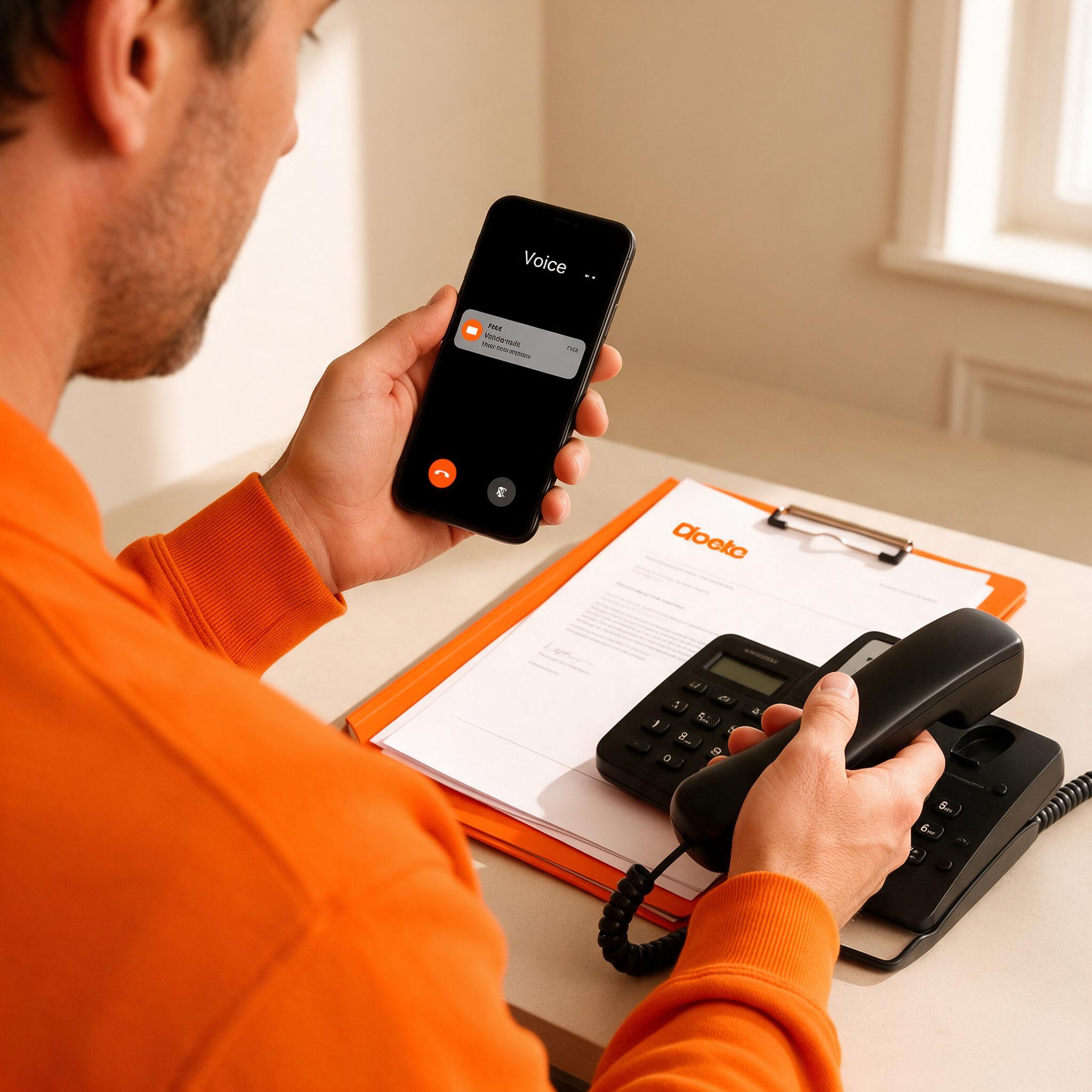
    You’re on a ladder with both hands full. Or you’re under a sink with a wrench in one hand and a flashlight in the other. The phone rings. You can’t grab it. Even if you could, the noise from a saw or a blower makes it impossible to hear. And safety comes first—one wrong move on a roof and a phone call is the least of your worries. This isn’t a choice. It’s the reality of your job. Every contractor reading this knows the feeling of watching a call go to voicemail and knowing exactly what happens next.

    How voicemail becomes a dead end

    Voicemail feels like a safety net, but it’s a trap. Here’s why:

    • Time kills the deal. You check the voicemail ten, twenty, thirty minutes later. By then, the homeowner has called three other companies. The one that answered first got the job. Your voicemail put you in last place.
    • Homeowners don’t leave messages. They hear the beep and hang up. They assume you’re too busy or not interested. That call is gone forever. No name, no number, no chance to call back.
    • Perception matters. Even when you do call back, the homeowner already thinks you’re hard to reach. That impression sticks. It damages your credibility before you’ve even quoted the job.

    Voicemail doesn’t just lose individual calls. It creates a pattern of missed opportunities that drains your pipeline. Every unanswered call is a lead that goes straight to your competitor. For HVAC lead generation, this is a silent killer—homeowners need service fast, and they won’t wait for a callback that might never come.

    The fix isn’t to answer every call. That’s impossible. The fix is to turn that voicemail into a conversation you can pick up later. That’s where automated lead follow-up changes the game. But first, you have to admit that voicemail is costing you real money—job after job, week after week.

    How Missed Call Text Back and Automated Lead Follow-Up Save the Day

    What is missed call text back? How it works.

    Missed call text back is simple. When you can’t answer your phone, the system sends an automatic text to the caller within seconds. The message acknowledges their contact and opens a conversation. No voicemail. No waiting. The homeowner gets a text that says something like, “Thanks for calling. We’re on a job right now but will get back to you shortly. What’s the best way to reach you?”

    You don’t have to respond immediately. The text buys you time. When you climb off the roof or finish the repair, you open your phone or the BizFuel app and reply. The lead already knows you’re coming. They feel acknowledged, not ignored. That’s the difference between a lost job and a scheduled appointment.

    Traditional voicemail gets ignored. Texts get opened within minutes. Missed call text back turns a dead end into a live conversation.

    Automated lead follow-up for HVAC contractors: turning texts into conversations

    Automated lead follow-up takes this further. The system doesn’t just send a text—it starts a real dialogue. AI can answer common questions like “How much do you charge for a new furnace?” or “Do you offer emergency service?” It can set appointment windows and qualify leads based on urgency. The contractor only steps in when the conversation needs a human touch.

    For HVAC lead generation, this is critical. Homeowners with a broken AC in July don’t have patience. They call three contractors. The first one that responds gets the job. Automated lead follow-up drops your response time from hours to seconds. The text arrives while the homeowner is still on the phone. They see your name, read your message, and wait for your reply instead of calling the next guy.

    This turns every missed call into an opportunity. You don’t lose jobs because you were working. You capture them because the system handled the first contact. No extra work on your end. No second shift of marketing. Just a text that keeps the lead warm until you’re free.

    Voicemail costs you jobs. Missed call text back and automated lead follow-up save them. The choice is yours.
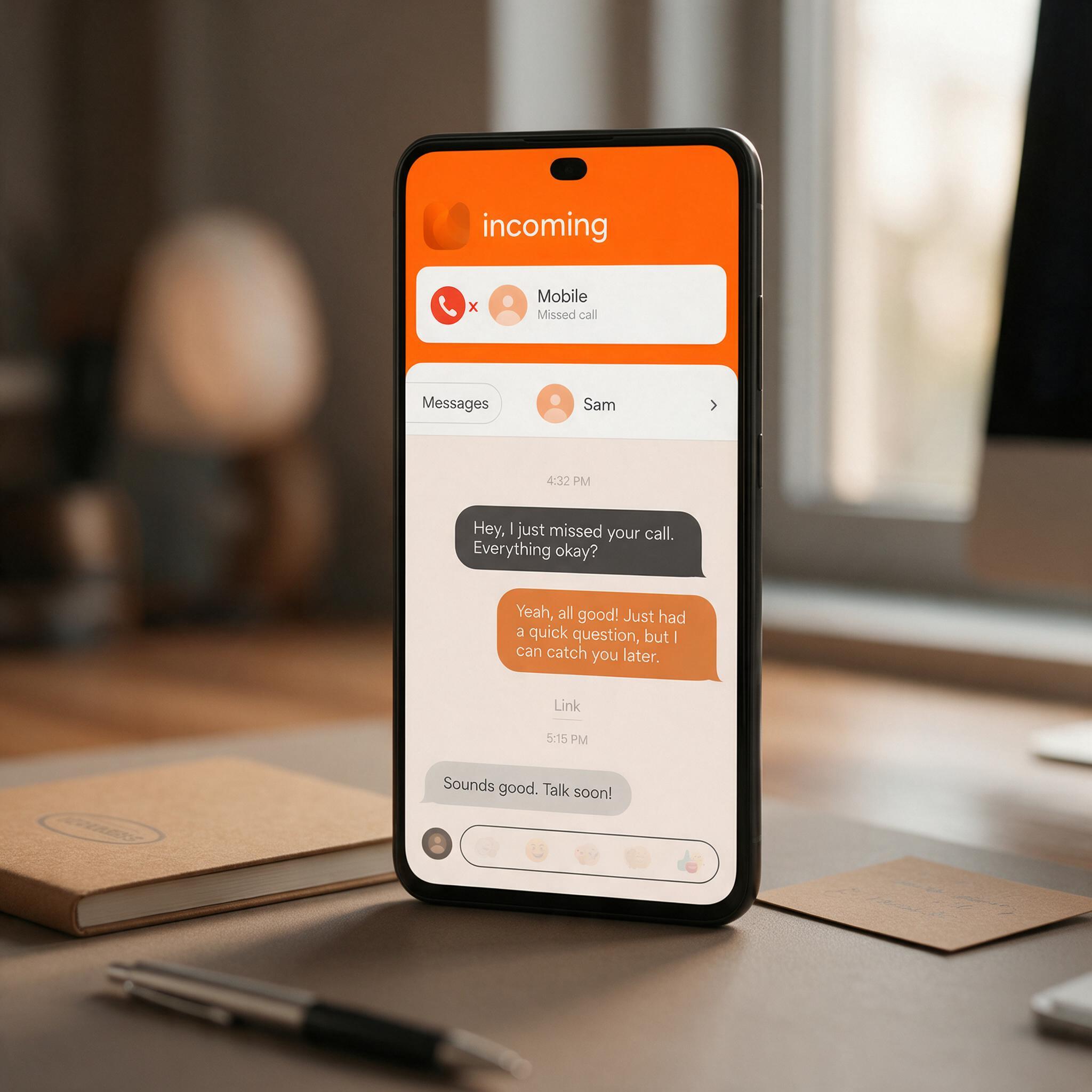
    That voicemail doesn’t have to be the end of the conversation. BizFuel sends an automatic text the moment you miss a call, so the homeowner gets a response while you’re still on the job, and every new lead gets a follow-up before the trail goes cold. It’s all built into one system—website, content, reviews, and an app that puts every message in your pocket—for a single monthly fee. You stay focused on the work you’re good at; BizFuel handles the online part. See it in action at bizfuel.xfinitive.co.
  • Test article from Social Agent — BizFuel

    Test article from Social Agent — BizFuel

    This is a test blog post published by Social Agent for BizFuel to verify the website API connection. If you can see this on your site, the connection works.

  • Do you really need a new website? An honest checklist

    Not every business needs a brand new website. Some sites just need a tidy-up. Others are quietly costing you work every week.

    Answer these five questions honestly. You will know which one you are dealing with.

    1. Does it work well on a phone?

    Open it on your own phone. Can you read it without zooming? Can you find a way to call in two seconds?

    If no: that is a rebuild, not a tidy-up. Most of your customers are on a phone.

    2. Is it easy to change?

    When you want to add a service or update your prices, how hard is it?

    If it means ringing your nephew or waiting a week: it is holding you back. A site you cannot update is a site that slowly goes stale.

    3. Does it load quickly?

    Count the seconds on mobile data, not Wi-Fi.

    If it is more than three seconds: you are losing people before they even see you.

    4. Does it say what you do, clearly?

    Read your own homepage as if you were a stranger. Can you tell what you do and where, in the first sentence?

    If you have to think about it: so does everyone else. The words matter as much as the design.

    5. Does it bring you enquiries?

    This is the real test. Not likes. Not visits. Enquiries and calls.

    If the answer is “hardly ever”: the site is decoration, not a tool.

    What to do next

    • One or two “no” answers: a tidy-up and fresh words may be enough.
    • Three or more: a rebuild will usually cost less than patching it forever.

    A website is not finished when it goes live. That is when it starts working — or starts ageing.

    Whichever way you go, judge it by one simple measure: is the phone ringing more than it was before?

  • Five things customers check before they call you

    Before someone calls a trade, they quietly check a few things. Not because they are suspicious — because they have been let down before.

    Here are the five clues they look for, and how to make each one easy to find.

    1. Are you real?

    A proper name, a proper number, a proper address or service area. A van photo helps. A real face helps even more.

    If your site looks like it was made in five minutes, people assume the work is the same.

    2. Do you do what I need?

    Say it in plain words. “Emergency drain clearing in South Tampa” beats “plumbing solutions”.

    People scan for the thing they need. If they cannot find it in a few seconds, they assume you do not do it.

    3. Are you nearby?

    Customers want someone close. Name the towns and neighbourhoods you cover. A list of areas is one of the most useful things on your site.

    4. Do other people trust you?

    Your Google stars, and a few recent reviews. This is the single biggest trust signal there is.

    You do not need hundreds. A steady handful of recent, specific reviews does the job.

    5. Is it easy to reach you?

    This is where most sites lose the job. If the phone number is buried, or the contact form is long, people give up.

    • Put a call button at the top of every page.
    • Make the form short: name, number, what you need.
    • Tell them when to expect a reply.

    Every question a customer has to ask is a chance for them to leave.

    The short version

    Answer those five questions before anyone has to ask them, and you will win more work than any clever advertising will bring you.

  • A missed call is a lost job. Here is the fix.

    You are up a ladder. Your phone rings in your pocket. By the time you are down and your gloves are off, it has stopped.

    You mean to call back at lunch. Then the afternoon runs away with you. By tomorrow, that person has already booked someone else.

    Why missed calls cost more than they look

    A missed call is not just one lost job. It is often the whole job — the repair, the follow-up, and the neighbour they would have told about you.

    Most people who call a trade and get no answer simply ring the next name on the list. They do not leave a message. They do not try again later. They just move on.

    The simple fix: a text back, automatically

    When you cannot pick up, the caller gets a friendly text within seconds. It sounds like you wrote it, because you did — once, in advance.

    Something as simple as:

    “Hi, sorry I missed you — I am on a job right now. Tell me what you need and I will get straight back to you.”

    What this changes

    • The caller knows you are real and you care.
    • They tell you what the job is, so you can come prepared.
    • The conversation lands in one place, not lost in your voicemail.
    • You reply when you are free — the job is no longer racing to the next business.

    It is not about being glued to your phone

    You should not have to answer every call live. You are working. That is the point.

    The goal is simply this: nobody who tries to reach you is left wondering whether you are still in business.

    You do not need to answer every call. You just need every caller to hear back from you.

    Small change. Very few lost jobs.

  • What to post when you have no time to post

    You do not need to be clever, funny or trendy online. You just need to show up often enough that people remember your name when they need your trade.

    The trick is to stop inventing new posts every week. Instead, reuse five simple kinds of posts, over and over, in different words.

    1. The quick tip

    One small thing your customer can do themselves. It shows you know your trade and you are happy to help.

    “Grease down the kitchen sink is the number one clog we see. Wipe pans with a paper towel first — your pipes will thank you.”

    2. The finished job

    A photo of work you are proud of, with one line about what was wrong and what you did. Before and after works even better.

    3. The straight answer

    Pick a question customers always ask, and answer it honestly in two lines. “Do you charge for estimates?” is a perfect one.

    4. The friendly reminder

    Seasonal jobs people forget about. Gutters before winter. AC before the first hot week. Boiler checks before the cold snap.

    5. The thank-you

    A happy customer, a nice review, a job that went well. Gratitude is never boring to read.

    How often is enough?

    Three or four times a week is plenty. That sounds like a lot, but remember: you are reusing the same five ideas. You are not writing a book.

    • Keep it short. Two or three lines.
    • Use a real photo, not a stock one.
    • One idea per post.
    • Always finish with something people can do — call, message, or book.

    Being seen all month beats being brilliant once.

    If writing even that feels like one job too many, that is exactly the sort of thing we take off your plate. You run the business. We keep the posts going.

  • The easy way to get more Google reviews

    You finished a job. The customer is happy. They say “I will leave you a review” — and they mean it. Then the week runs away with them and it never happens.

    Nothing went wrong. The ask just came at the wrong moment, or it asked too much.

    Ask at the right moment

    The best time to ask is right after the job is done, while the customer is still standing there smiling. Not a week later, when the glow has faded.

    If you have to send it later, send it the same day. Evening works well — people are on their phones anyway.

    Make it one tap

    A review request should be a short message with one link. The link goes straight to your Google review box. No logging in. No hunting for your business name.

    When it is one tap, people do it. When it is five steps, they mean to and then forget.

    Ask more than once — gently

    One reminder is not pushy. It is helpful. People are busy, not unwilling.

    • Day one: “Thanks again for today. If you have a spare minute, a quick review really helps a small business like ours.”
    • Day four: “No worries if you are busy — here is that link again in case it got buried.”

    Two friendly nudges works far better than one lonely ask.

    What not to do

    • Do not offer money or gifts for a review. It breaks Google’s rules and can hurt you.
    • Do not write reviews yourself or ask staff to. Real reviews from real customers are the only ones worth having.
    • Do not argue in the replies. Answer a bad review calmly and briefly, then let it go.

    A steady trickle of real reviews beats one big burst every two years.

    Why this is worth the bother

    When someone is choosing between you and another business, they look at two things: your stars, and the last few things people wrote. Five honest reviews can be the difference between a phone call and silence.

    It is not about being clever. It is about asking, at the right moment, in the easiest possible way.

  • Why a slow website quietly costs you work

    Think about the last time you looked for a plumber, a roofer or a vet. You typed a few words into your phone, tapped the first business that looked right, and waited.

    If that page took more than a few seconds to appear, you went back and tapped the next one. Almost everyone does. It is not patience — it is just how people behave on a phone.

    The three-second rule

    You have about three seconds to make a good first impression. In that time, a visitor decides three things without meaning to:

    • Is this business real?
    • Does it do what I need?
    • Can I trust it with my money?

    If the page is slow, cramped, or hard to read on a small screen, the answer to all three quietly becomes “no”.

    How to tell if your site is losing you work

    You do not need any special tools to spot the problem. Try these five things on your own phone:

    1. Time it. Count the seconds until the page is fully there. More than three is a warning sign.
    2. Zoom in. Pinch the screen. If you have to zoom to read the text, it was not built for a phone.
    3. Look for the button. Can you find a way to call or book within two seconds? If you have to hunt, so will they.
    4. Turn off your Wi-Fi. Use your mobile data. Most of your customers are not on your office Wi-Fi.
    5. Ask someone older. Hand your phone to a family member who does not work in your trade. Watch where they get stuck.

    What “fast and clear” actually means

    A good site does three simple jobs, in this order:

    • It says what you do and where you do it, in one plain sentence.
    • It gives one obvious way to get in touch — a big button, not a maze.
    • It loads quickly, even on a weak signal.

    That is the whole trick. Everything else is decoration.

    Your website is not there to win design awards. It is there to turn a stranger into a phone call.

    The good news

    Most of this is fixable without starting again. But if your site was built years ago for a desktop screen, it is often quicker to rebuild it properly than to keep patching it.

    Either way, judge it the way your customers do: on a phone, in a hurry, with a weak signal. That is the only test that matters.

  • Hello world!

    Welcome to WordPress. This is your first post. Edit or delete it, then start writing!